Proposed Regulations for Clean Electricity Facilities and Energy Storage Technologies
Proposed Regulations for Clean Electricity Facilities and Energy Storage Technologies
Tax Tip for Business Owners: Proposed Regulations for Clean Electricity Facilities and Energy Storage Technologies
Hey business owners! Here's a hot tax tip straight from the IRS that's worth your attention, especially if you're business involves clean energy. The Department of the Treasury and the IRS have issued proposed regulations under the Inflation Reduction Act of 2022, targeting owners of qualified clean electricity facilities and energy storage technologies. Let's break it down for you.
What Are the Proposed Regulations About?
These proposed regulations are designed to guide taxpayers who wish to claim tax credits for producing electricity from qualified clean electricity facilities or for making qualified investments in such facilities or energy storage technologies. The goal is to help you understand how to maximize these credits and support your clean energy initiatives.
The Clean Electricity Production and Investment Credits
The Inflation Reduction Act of 2022 introduced two significant credits:
Clean Electricity Production Credit: This credit applies to electricity produced from a qualified clean electricity facility.
Clean Electricity Investment Credit: This credit is for qualified investments in clean electricity facilities or energy storage technologies.
What Facilities Qualify?
The regulations define what constitutes a qualified clean electricity facility and energy storage technology. Here's a simple example to illustrate:
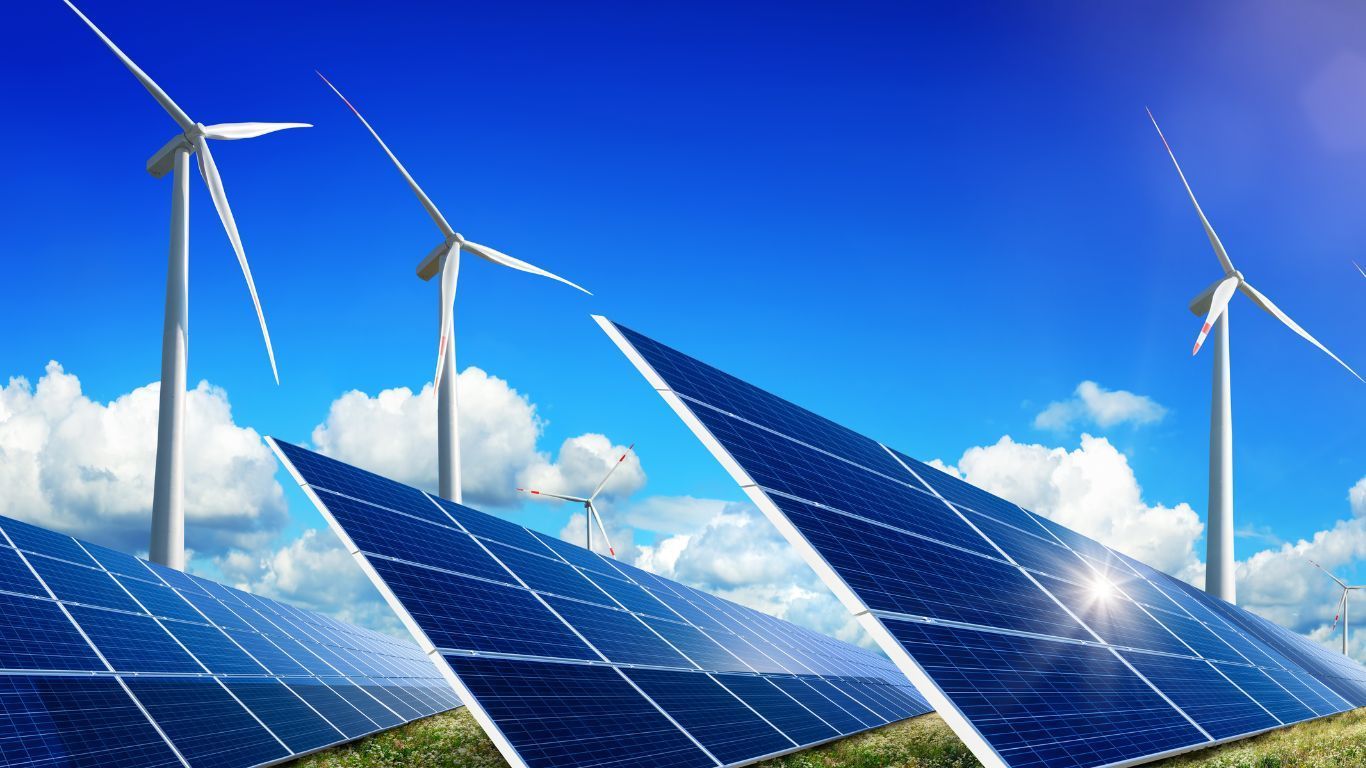
Imagine you own a solar power plant that's fully operational after 2024. This plant qualifies as a clean electricity facility.
You decide to invest in advanced battery storage technology to store the solar energy produced. This investment can also qualify for the energy storage technology credit.
Key Points Covered in the Proposed Regulations
The proposed regulations cover several critical areas, including:
Calculating Credits: Detailed guidance on how to calculate the amount of credit you can claim.
Defining Qualified Facilities: Clear definitions of what makes a facility or technology qualify for these credits.
Metering Devices: Explanation of what metering devices are included.
Related and Unrelated Persons: Rules to identify relationships between entities.
Expansion Rules: Guidelines on how expanding an existing facility affects your eligibility.
Recapture Rules: Information on situations where you might have to repay the credits.
Greenhouse Gas Emissions: Definitions and rules regarding emissions and carbon capture.
Provisional Emissions Rates: Pathways for facilities to obtain a provisional emissions rate.
Maximizing Your Tax Benefits
Let's say you run a growing business in The Woodlands and decide to invest in a wind farm. Not only will you contribute to clean energy, but you can also benefit from significant tax savings. By applying the clean electricity production credit, you reduce your taxable income based on the electricity your wind farm produces. Furthermore, if you invest in battery storage for your wind farm, the clean electricity investment credit can further enhance your tax benefits.
How to Provide Feedback
The IRS invites public comments on these proposed regulations. This is your chance to voice your thoughts and help shape the final rules. For more details, visit the Inflation Reduction Act of 2022 page on IRS.gov.
Connect With Us
At Freese, Peralez & Associates, LLC, we're here to help you understand these new regulations and maximize your tax benefits. If you’d like to discuss your business in more detail or have questions, please fill out the Contact Us form so we can schedule a time to talk. Let’s harness the power of clean energy together!
By staying informed and leveraging these tax credits, you can not only boost your bottom line but also make a positive impact on the environment. Now that’s a win-win!