
Maximize Profits With 179D Deductions in Construction
September 13, 2023

Maximize Profits With 179D Deductions in Construction

September 13, 2023

Maximize your construction project's profitability with the powerful 179D tax deduction.

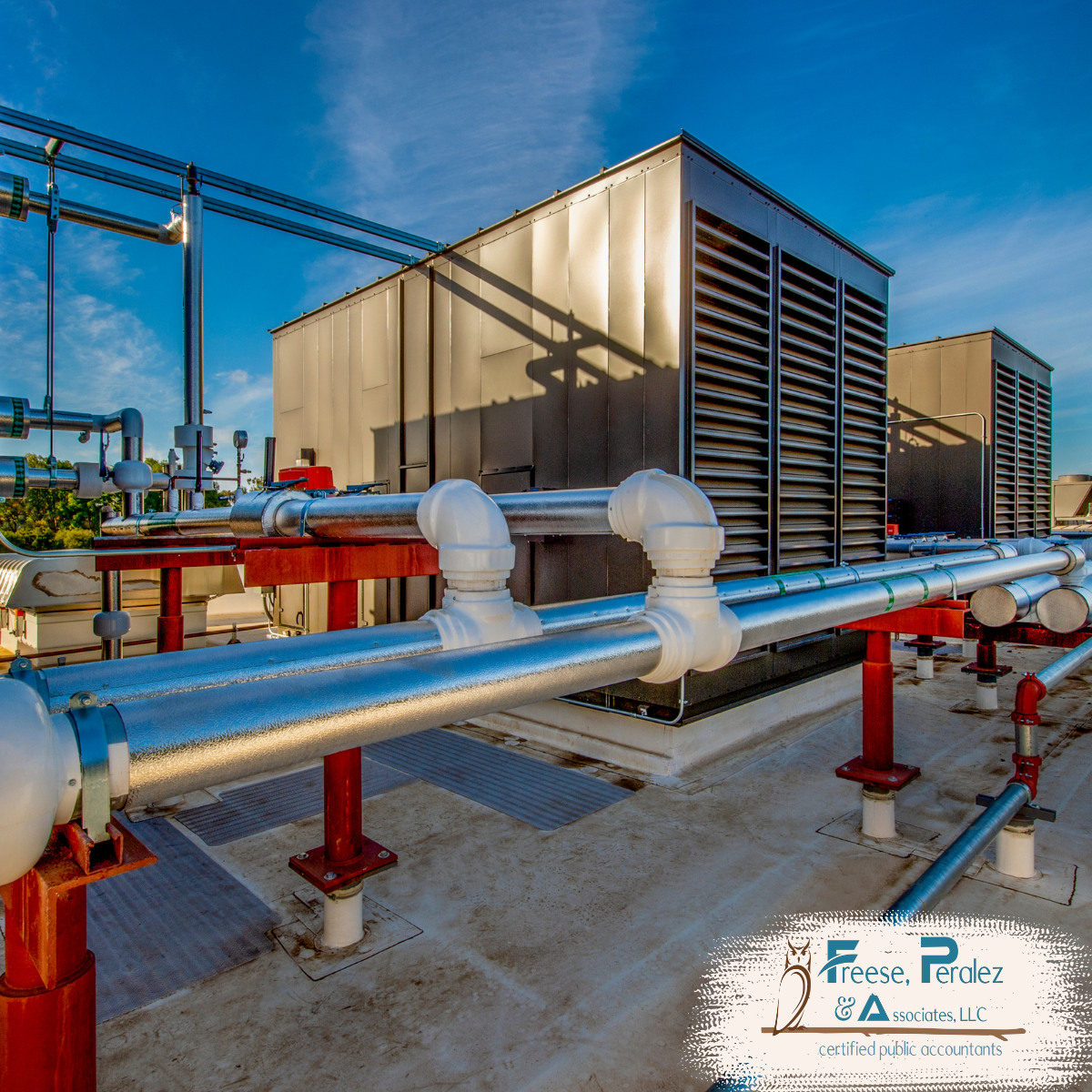
The 179D tax deduction, established under the Energy Policy Act of 2005, incentivizes energy-efficient construction in commercial and residential buildings. This deduction allows up to $5 per square foot for properties incorporating energy-saving systems like lighting, HVAC, and more. It applies to new constructions as well as renovations. For the construction industry, this deduction offers several advantages: it increases profits by lowering tax liability, provides a competitive edge in environmentally-conscious projects, attracts eco-conscious tenants, enhances the company's reputation, and supports sustainability efforts. An example illustrates a designer saving $81,228 through this deduction. To claim, the building must meet energy reduction requirements, be certified by a qualified professional, and the deduction should be filed along with tax returns. Common mistakes to avoid include inaccurate energy modeling, missing certification deadlines, inadequate documentation, and neglecting maintenance. Engineered Tax Services (ETS) offers expertise in navigating 179D deductions with a team of tax attorneys, engineers, and industry experts, providing end-to-end support for builders nationwide. Understanding and leveraging this incentive can significantly boost project profitability, competitiveness, and environmental sustainability, ultimately benefiting the bottom line. ETS stands ready to assist in maximizing these benefits. For more information click the link!

https://engineeredtaxservices.com/maximize-profits-with-179d-deductions-in-construction/

Five developments shaping business tax strategy for 2027
November 16, 2026
FPA Brief 017 covers the 2027 tax outlook, machinery tariffs, clean energy tax credits, retirement plan limits, and international tax developments.
Executive tax planning documents for manufacturing, construction, real estate, and multi-entity bus
November 9, 2026
FPA Brief 016 examines 2027 Section 179 limits, subcontractor deductions, business loss thresholds, IRS payment tools, and higher filing penalties.
Executive year-end tax planning for construction, manufacturing, real estate, and international bus
November 2, 2026
FPA Brief 015 covers 2026 overtime W-2 reporting, manufacturing depreciation, Opportunity Zone gains, Section 250 changes and Trump account benefits.
October 28, 2026
FPA Brief 014 covers Siemens and Section 245A, Section 355 spin-offs, Canadian tariffs, late tax elections, and wind turbine import developments.
October 21, 2026
FPA Brief 013 covers conservation easement rulings, ERC supply-chain claims, Section 385, the USMCA review and IRS examination consent forms.
Executive tax planning for construction, manufacturing, international business and real estate
October 14, 2026
FPA Brief 012 covers diesel tax relief, Section 163(j), foreign tax credits, the new scholarship credit and institutional housing investment rules.
2026 BBB Winner of Distinction
October 13, 2026
Freese, Peralez & Associates earns the 2026 BBB Winner of Distinction, adding to three consecutive Best CPA Firm awards in The Woodlands.
FPA Executive Tax Brief Issue 011 covering tax deadlines, tariff refunds, per diem rates, farmland
September 29, 2026
FPA Brief 011 covers the Kwong appeal, IEEPA tariff refunds, Oct. 1 per diem rates, Section 1062 farmland sales and proposed CFC ownership rules.
Executive tax planning for September 2026 deadlines, manufacturing costs, trade and construction pro
September 21, 2026
FPA Brief 010 covers Michigan's Sept. 30 FTE deadline, Canadian import restrictions, LIFO planning, new IRS penalty relief and data center tax incentives.
FPA Executive Tax Brief Issue 009 covering estimated taxes, bonus depreciation, manufacturing proper
September 14, 2026
FPA Brief 009 covers the Sept. 15 tax deadline, 100% bonus depreciation, Section 168(n), permanent Opportunity Zones and the shift from GILTI to NCTI.