How Cost Segregation for Hotels Drives Profitability

January 2, 2024

How Cost Segregation for Hotels Drives Profitability

January 2, 2024

Unlocking financial potential in the hospitality industry: Learn how cost segregation transforms hotels' operational efficiency and guest experiences.

The article explores the substantial benefits of employing cost segregation as a strategic financial tool within the hospitality industry, particularly for hotel owners seeking operational efficiency and financial stability. Highlighting the intricate world of hotels, it details how cost segregation addresses common challenges faced by these establishments.


By accurately categorizing a diverse range of hotel assets and aligning them with appropriate depreciation rates, cost segregation offers accelerated depreciation, reduced tax liabilities, and a substantial influx of available capital. This method not only aids in improving cash flow but also enhances property value, enables customized tax strategies, and addresses persistent financial hurdles such as maintenance costs and necessary renovations.


Cost segregation, a boon for hotel owners, holds the potential to revolutionize financial and operational aspects within the hospitality industry. Dissecting and reclassifying diverse assets, accelerates depreciation, leading to improved cash flow and the ability to address maintenance and upgrades efficiently. This practice empowers hotel owners to present a financially optimized property, enhancing its perceived and actual value in the market.


Through detailed insights into asset management, cost segregation offers tailored tax strategies, enabling informed decisions for long-term growth and operational success. It becomes a cornerstone for financial optimization, enabling hotel owners to invest strategically and elevate guest experiences while navigating the intricacies of their unique properties.


https://engineeredtaxservices.com/how-cost-segregation-for-hotels-drives-profitability/

IRS tax debt tool for businesses
April 29, 2026
The IRS’s new tax debt tool signals a shift toward earlier visibility and accountability. Learn what this means for established, multi-entity businesses.
ASC 740 errors don’t just create restatement risk.
By Tim Freese April 7, 2026
Learn how ASC 740 tax provision errors affect financial statements, earnings quality, valuation allowances, and lender confidence.
Engineering Solutions? You May Be Generating Tax Credits.
By Tim Freese March 31, 2026
Learn how manufacturers and SaaS companies can systematically capture R&D tax credits under IRC Section 41 and maximize federal tax savings.
I
By Tim Freese March 24, 2026
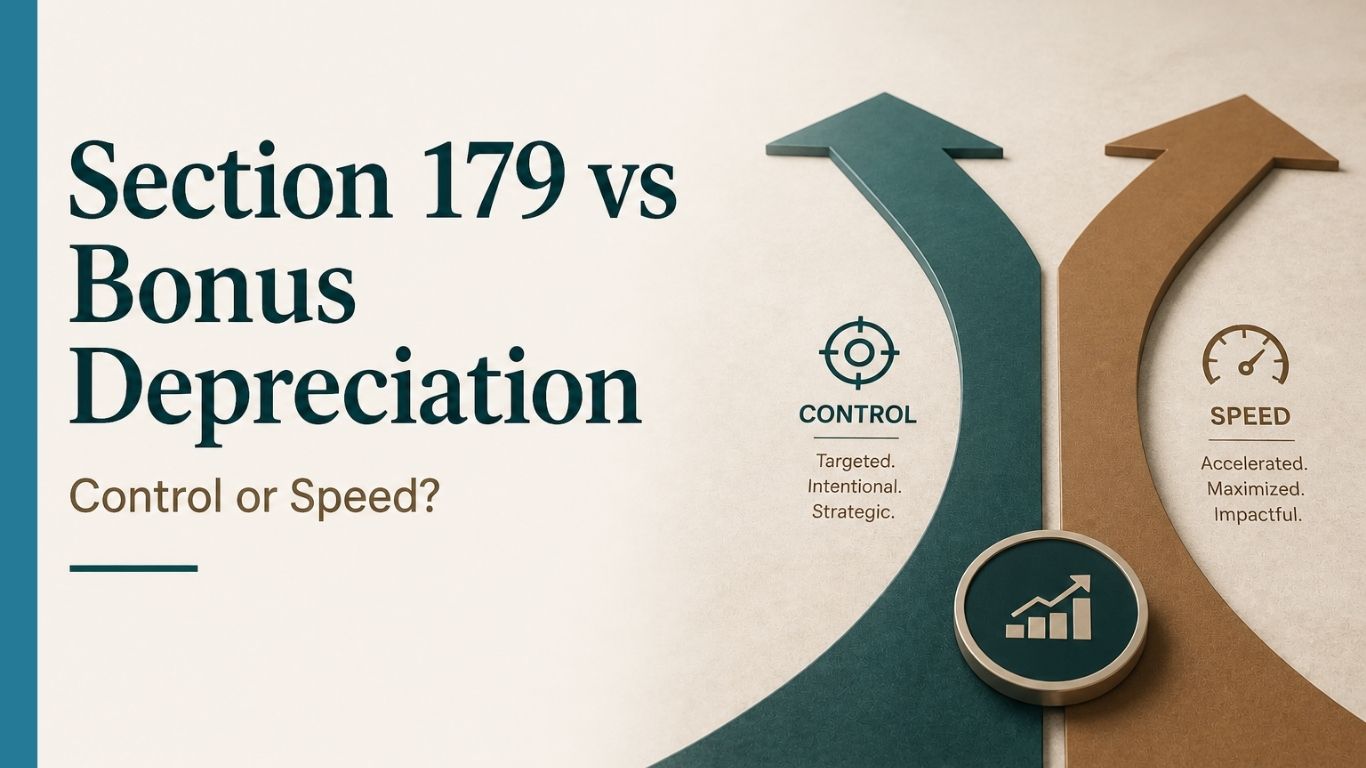
Own commercial property? Learn how cost segregation accelerates depreciation, unlocks bonus deductions, and improves cash flow strategy.
By Tim Freese March 17, 2026
Learn how CFOs can strategically manage multi-state tax exposure, economic nexus, apportionment, and payroll risk across jurisdictions.
Exit planning is not triggered by a buyer.
By Tim Freese March 10, 2026
Planning a business exit? Learn how entity structure, QSBS, and deal modeling can determine millions in after-tax proceeds.
By Tim Freese March 3, 2026
Learn how a holding company structure can protect margins, optimize multi-state tax exposure, and strengthen capital strategy for growing businesses.
If your CPA filed the return but didn’t help you plan, you may be overpaying.
January 23, 2026
If your CPA filed the return but didn’t help you plan, you may be overpaying. Learn how strategic tax planning helps growing businesses protect margins.
Understanding Form 1040NR: A Guide for Foreign Investors
December 3, 2025
learn how to determine U.S. residency, FDAP vs. ECI income, and who must file Form 1040NR. A complete tax guide for foreign investors and non-residents.
November 25, 2025
Entering the U.S. market? Learn how a strategic CPA can guide growth, reduce taxes, and help Texas businesses expand confidently across construction, real estate & manufacturing.